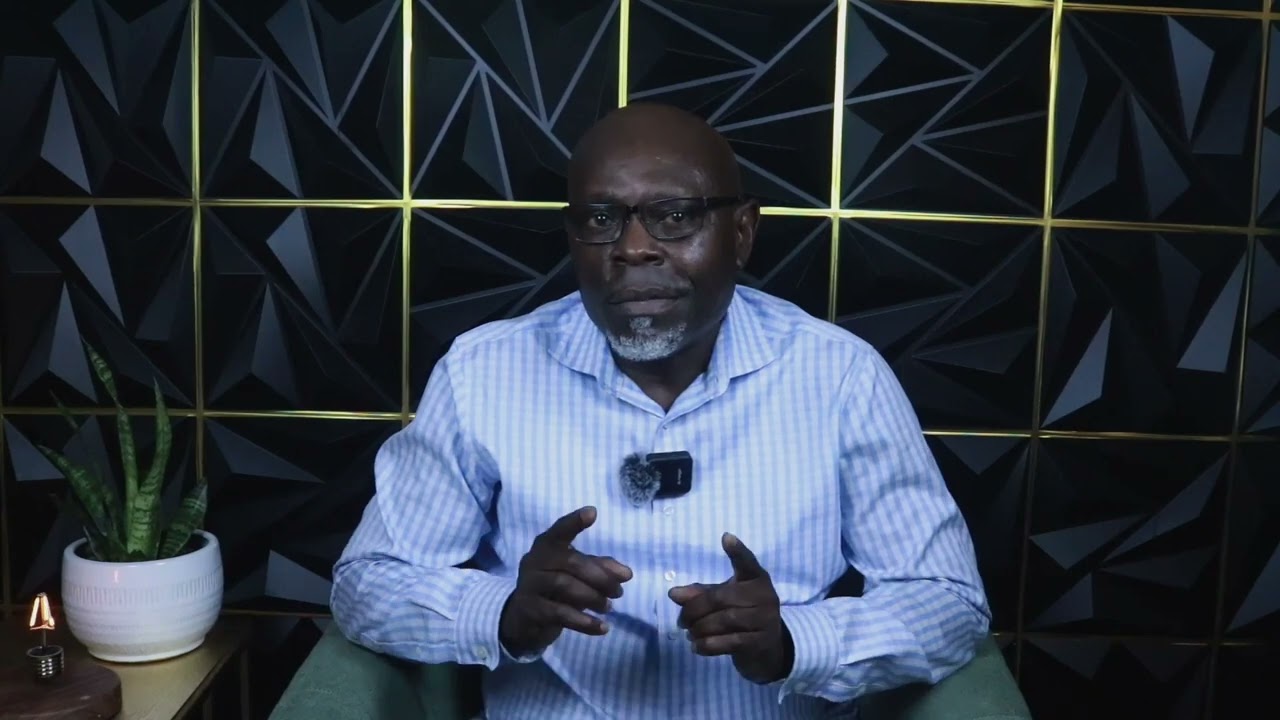
Emotional Decisions Are Destroying Your Financial Progress
Why mastering your emotions is one of the most important wealth-building skills you can develop
Many people believe financial success is only about making more money.
But the truth is, I’ve seen people with high incomes remain financially stuck while others with modest incomes steadily build wealth over time.
Why?
Because wealth building is not only financial. It is emotional.
Most financial mistakes are not caused by lack of intelligence. They are caused by emotional decision-making.
Fear.
Stress.
Impulse.
Excitement.
Pressure.
These emotions quietly influence the way people spend, save, invest, and react to money.
And if you do not learn how to manage your emotions, your finances will always feel unstable no matter how much money you make.
Money Decisions Are More Emotional Than Logical
People often think money decisions are purely logical. But in reality, many financial choices happen emotionally first and logically second.
Someone sees the market drop and panic sells their investments.
Someone feels pressure to “look successful” and overspends.
Someone gets excited by a flashy opportunity and rushes into a risky investment.
Someone becomes so afraid of making mistakes that they never invest at all.
These are not logic-driven decisions. They are emotional reactions. And emotional decisions create emotional outcomes.
The Emotional Patterns That Keep People Financially Stuck
There are several emotional habits that quietly destroy financial progress.
Fear Leads to Inaction
Fear convinces people to stay comfortable instead of growing.
They avoid:
Investing
Learning about money
Taking calculated risks
Building new income opportunities
The problem is that staying still financially often creates more risk over time, not less.
Fear keeps people trapped in hesitation while opportunity keeps moving forward.
Greed Leads to Rushing
Greed causes people to chase shortcuts instead of strategy.
This is where people fall into:
Get-rich-quick schemes
Unrealistic investment promises
Emotional market decisions
Risky financial behavior
Real wealth is rarely built overnight.
It is built through patience, discipline, and consistency.
Impulse Leads to Regret
Impulse spending is one of the biggest silent destroyers of financial growth.
Many purchases are not made from need. They are made from emotion:
Stress
Boredom
Pressure
Comparison
Temporary excitement
The problem with emotional spending is that the feeling disappears quickly, but the financial consequences remain.
When Emotion Controls Money, Money Becomes Unpredictable
If your emotions are controlling your finances, your financial life will constantly fluctuate.
One month you save. The next month you overspend.
One week you feel motivated to invest. The next week fear convinces you not to move forward.
Without emotional control, there is no consistency.
And without consistency, building long-term wealth becomes extremely difficult.
Strategy Creates Stability
One of the biggest mindset shifts in wealth building is learning to replace emotional reactions with strategic responses.
When strategy controls your money:
Decisions become calmer
Goals become clearer
Spending becomes intentional
Investing becomes consistent
And over time, wealth becomes predictable instead of chaotic.
That is why strategy matters more than temporary emotion.
Before Any Financial Decision, Pause
One of the simplest but most powerful habits you can develop is learning to pause before making financial decisions.
Ask yourself:
Am I reacting or responding?
Is this fear or strategy?
What outcome do I truly want?
Would I make this same decision if I were calm?
That short moment of reflection can protect you from years of regret.
Discipline Is Not Restriction. It Is Direction.
Many people misunderstand discipline.
They think discipline means deprivation or limitation.
But discipline is not about punishment.
Discipline is direction.
Discipline moves your money according to your goals instead of your feelings.
It helps you:
Stay focused
Build healthy money habits
Invest consistently
Avoid emotional spending
Create long-term financial stability
True financial freedom requires emotional maturity.
Emotional Control Is Financial Control
One of the greatest forms of financial intelligence is emotional awareness.
Because if emotions control every decision, wealth becomes difficult to sustain.
But when you learn to:
Slow down
Think strategically
Stay disciplined
Remain patient
Control impulses
You begin building wealth with clarity and confidence.
And that is where real financial elevation begins.
Final Thoughts
Building wealth is not just about numbers. It is about mindset, discipline, and emotional control.
The people who achieve long-term financial success are not always the smartest or the highest earners.
Often, they are simply the most disciplined emotionally.
They understand that temporary feelings should never control permanent financial decisions.
When you master your emotions, you begin to master your finances.
And when you master your finances, you create the foundation for long-term wealth, peace, and legacy.
If you want more financial insights on building wealth with clarity, discipline, and control, visit:
Freedom Wealth Elevation